Exercise set 1.1
Question 1
(a)
(b) a real number
Question 2
(a) a remainder of when it’s divided by and a remainder of when it’s divided by
(b) an integer ; is divided by the remainder is
Question 3
(a) if , or if
(b) distinct real numbers, and
Question 4
(a) a real number;
(b) real number , there is a real number
Question 5
(a) is positive
(b) positive; the reciprocal of is also positive
(c) is positive; the reciprocal of is also positive
Question 6
(a) is negative
(b) negative; the cube root of is also negative
(c) is negative; the cube root of is also negative
Question 7
(a) There are real numbers such that their sum is less than their difference.
- True;
(b) There is a real number such that it’s greater than its square.
- True;
(c) For every positive integer, the square of that integer is greater than the integer itself.
- False;
(d) For every two real numbers, the absolute value of their sum is less than or equal to the sum of their absolute values.
- True
Question 8
(a) have four sides
(b) has four sides
(c) has four sides
(d) is a square; has four sides
(e) has four sides
Question 9
(a) have at most two real solutions
(b) has at most two real solutions
(c) has at most two real solutions
(d) is a quadratic equation; has at most two real solutions
(e) has at most two real solutions
Question 10
(a) have a reciprocal
(b) a reciprocal
(c) is the reciprocal of
Question 11
(a) have a positive square root
(b) positive square root
(c) is the positive square root of
Question 12
(a) real numbers; product with every number leaves the number unchanged
(b) with every number leaves the number unchanged
(c)
Question 13
(a) real number; product with every real number equals zero
(b) with every real number equals zero
(c)
Exercise set 1.2
Question 1
Question 2
(a) The set of all real positive numbers such that is between and .
(b) The set of all real numbers , such that is less than or equal to or is greater than or equal to .
(c) The set of all integers , such that is a factor of .
(d) the set of all positive integers , such that is a factor of .
Question 3
(a) No.
(b) 3.
(c) 3.
Question 4
(a) Yes.
(b) One.
(c) Two.
(d) Yes.
(e) No.
Question 5
Only and are equal.
Question 6
Question 7
(a)
(b)
(c)
(d)
(e)
(f)
Question 8
(a) False
(b) True
(c) True
(d) True
Question 9
(a) Yes
(b) No
(c) No
(d) Yes
(e) Yes
(f) No
(g) Yes
(h) No
(i) Yes
(j) Yes
Question 10
(a) No,
(b) No
(c) Yes
(d) Yes
Question 11
(a)
(b)
(c)
(d)
Question 12
(a)
(b)
(c)
(d)
Question 13
(a)
(b)
(c)
Question 14
(a)
(b)
(c)
Question 15
Question 16
Exercise set 1.3
Question 1
(a)
(b)
(c)
Question 2
(a)
(b)
(c)
Question 3
(a)
(b)
(c)
Question 4
(a)
(b)
(c)
Question 5
(a)
Question 6
(a)
Question 7
(b)
- is not a function since
- is not a function since
- is not a function since
Question 8
(b)
- is not a function because there is no that satisfies
- is not a function because there is no that satisfies
- is not a function since
Question 9
(a) There is only one function:
(b) For every :
- means that
- means that
Question 10
Question 11
Question 12
Question 13
(a)
(b)
Question 14
(a)
(b)
Question 15
Only d
Question 16
Question 17
Question 18
Question 19
Since,
Therefore for every , , thus .
Question 20
Since,
Therefore for every , , thus .
Exercise set 1.4
Question 1
Question 2
Question 3
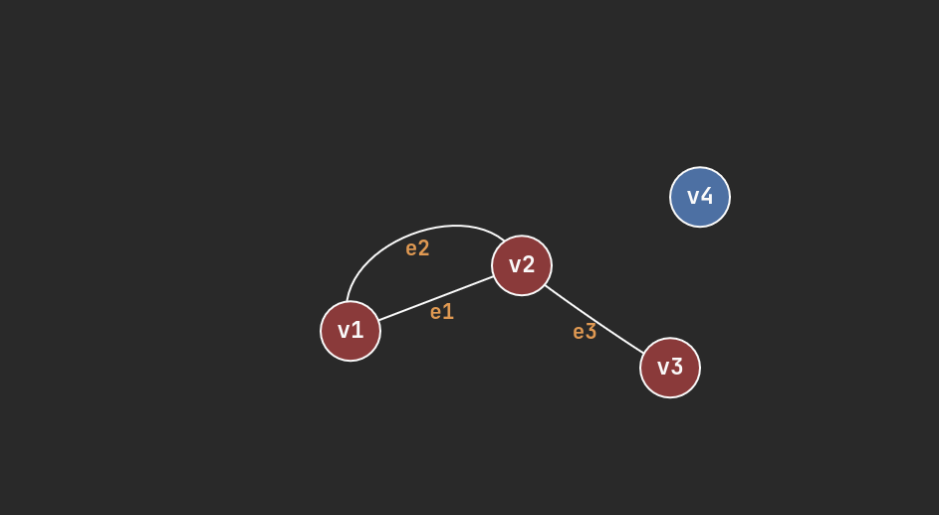
Question 4
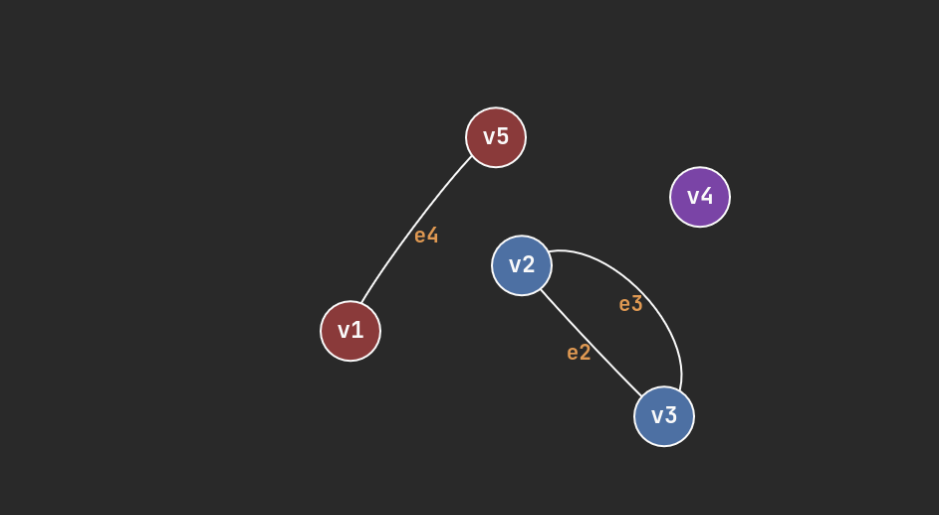
Question 5
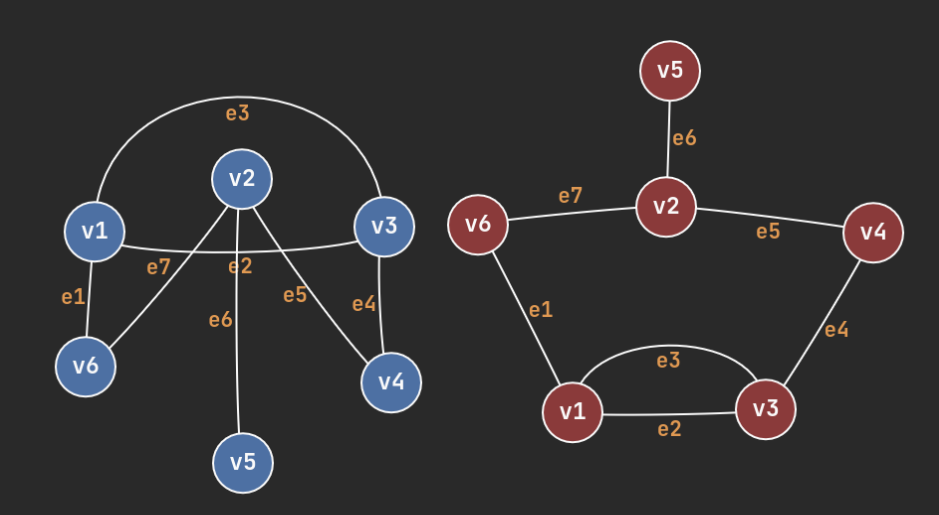
Question 6
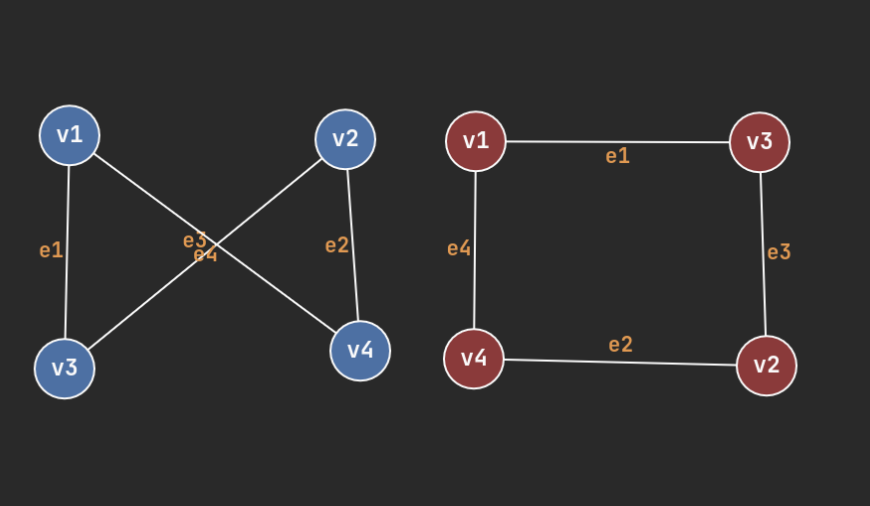
Question 7
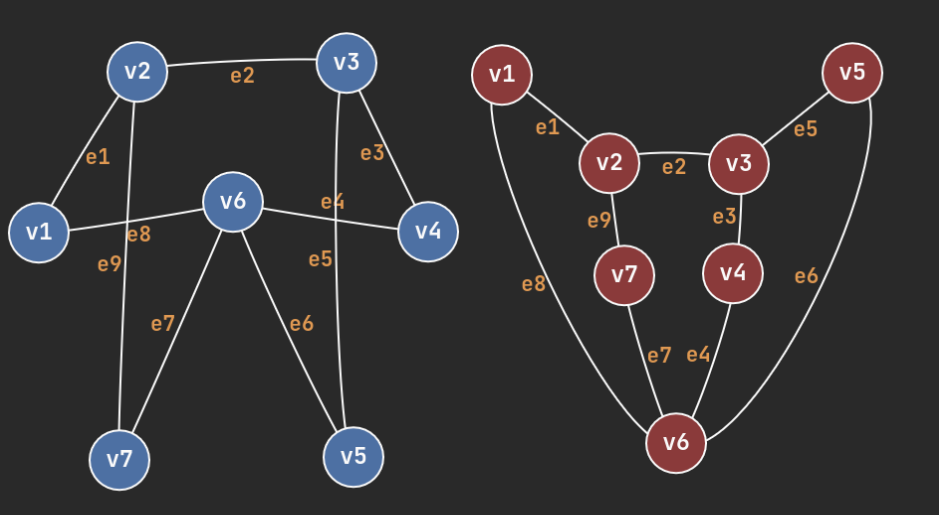
Question 8
(i)
(ii)
(iii)
(iv)
(v) and
(vi)
(vii)
Question 9
(i)
(ii)
(iii)
(iv)
(v)
(vi)
(vii)
Question 10
(a) Yes.
(b) Yes.
Question 11
Question 12
Question 13
Question 14
Question 15
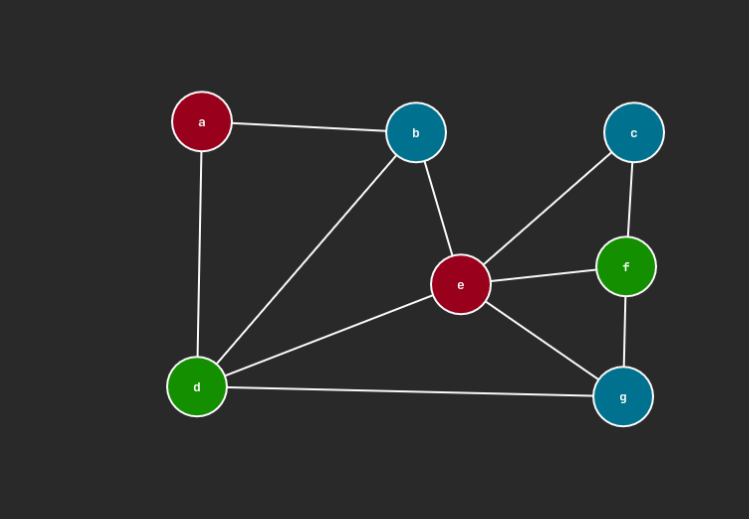
Converting the map into a graph with vertices being the countries, the border between two countries is represented by an edge between them:
Question 16
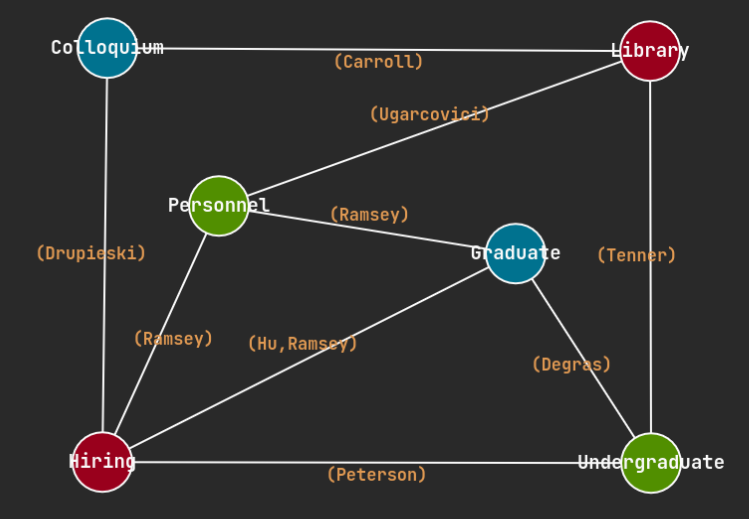
Since the committees with the same color have no common member, we can plan the committees with the same color on the same time slots.
Question 17
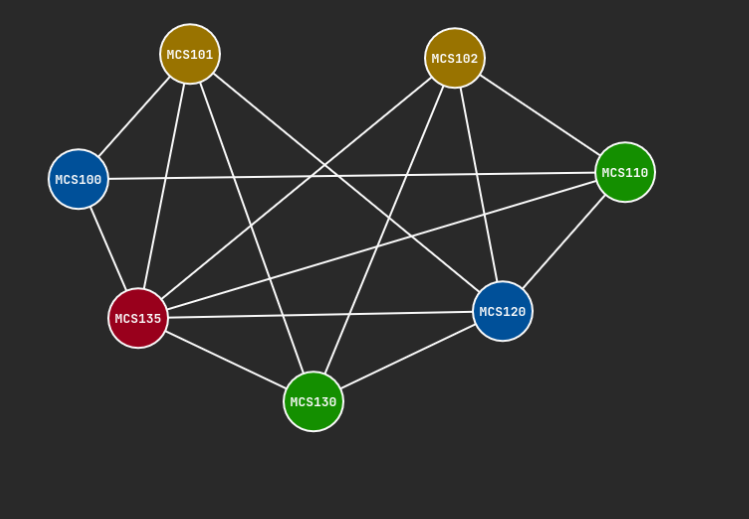
Since the vertices (exams) of the same color have no common students (edge), they can be held in the same day.